
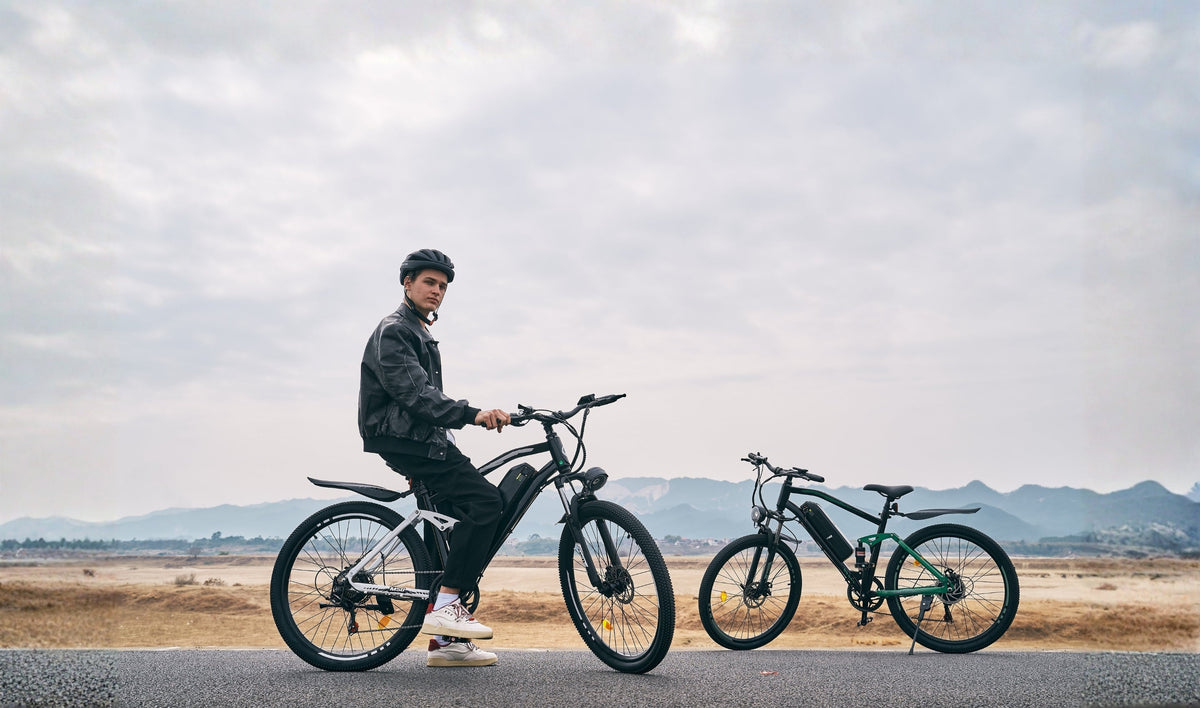
Picking between a hardtail and a full-suspension e-MTB isn't just about price. It changes how the bike rides, how much upkeep it needs, and where it actually feels good on British trails. If you've been scrolling through spec sheets and still can't decide, you're not alone.
Most riders get stuck comparing numbers instead of asking the one question that actually matters: what kind of ground will you be covering most weekends? That's where the electric hardtail mountain bike UK conversation usually starts.
Hardtails skip the rear shock, which keeps things simpler, lighter, and easier on the wallet, while full-suspension bikes trade some of that efficiency for extra comfort on rougher ground. Neither one is "better" in a vacuum, they're just built for different jobs. This guide breaks down the real differences so you can match the bike to the way you actually ride, not the way a spec sheet makes it sound.
Electric Hardtail Mountain Bike UK: What Makes It Different?
A hardtail e-MTB has front suspension only, a fork up front to soak up bumps, and a rigid rear end with no rear shock. That single design choice ripples through everything else about the bike.
Better Efficiency, Lighter Build
With no rear shock to power, more of the motor's energy goes straight into forward motion. That's part of why a hardtail e bike UK rider will often notice better efficiency on smoother singletrack and gravel paths compared to a full-suspension equivalent with similar battery capacity. Less hardware also means less weight, which matters when you're lifting the bike onto a car rack or carrying it up a flight of stairs to a flat.
A Friendlier Price Point
Cost is the other big factor. Rear shocks, pivot bearings, and linkage hardware add up quickly, so hardtails tend to sit at a friendlier price point. For riders who are still deciding whether e-MTB riding is going to become a regular habit, that lower entry cost takes some of the pressure off.
What It Looks Like in Practice
The iScooter M50 is a good example of what this looks like in practice, a lightweight hardtail frame paired with adjustable pedal assist, aimed at riders who want trail capability without the added weight and cost of a rear shock. It's worth a look if you're weighing up your first electric hardtail mountain bike and want something that stays manageable both on the trail and off it.
Full-Suspension EMTBs: Where the Extra Weight and Cost Go
Full-suspension e-MTBs add a rear shock and a linkage system that lets the back wheel move independently of the frame. That extra hardware is exactly what makes them better at absorbing hits from roots, rocks, and drops but it also explains why they cost more and weigh more.
More Moving Parts, More Upkeep
More moving parts means more to think about at service time. Pivot bearings wear, shocks need periodic servicing, and linkage hardware benefits from regular checks. None of this is difficult, but it's a genuine time and cost commitment that a hardtail simply doesn't ask for.
Where the Extra Weight Pays Off
The upside is real, though. On technical, root-strewn terrain, a full-suspension frame keeps both wheels tracking the ground far more consistently, which translates into better grip, more control, and noticeably less fatigue over a long ride. For riders chasing an electric enduro mountain bike experience: steep descents, loose surfaces, aggressive terrain, that rear suspension isn't a luxury, it's the whole point.
Trail Type Matters: Matching Suspension to UK Terrain
The UK's trail network is more varied than people give it credit for, and that variety is really what should drive this decision.
-
Canal towpaths, bridleways, and gravel tracks: Mostly smooth, occasionally rutted. A hardtail handles this comfortably and rewards you with better range per charge.
-
Peak District, Lake District, and Welsh trail centres: Rocky, technical, and often steep. This is where full-suspension geometry starts to earn its keep, softening the constant chatter from uneven rock gardens.
-
Forest singletrack with roots and drops: Depends on how aggressive the trail is rated. Blue and easier red routes are usually fine on a hardtail; black routes and anything enduro-adjacent lean toward full suspension.
-
Mixed commuting and weekend trail riding: A hardtail's lighter weight and lower maintenance make it the more practical daily option, even if you occasionally venture onto rougher paths.
If you mostly ride canal paths and gentle bridleways with the odd trail centre visit, a hardtail will do everything you need. If your weekends regularly involve rocky descents or you're specifically chasing that electric enduro mountain bike feel, the extra suspension starts to justify its weight and price.
Maintenance Differences Between Hardtail and Full-Suspension
This is where the gap between the two styles becomes most obvious in day-to-day ownership.
|
Maintenance Area |
Hardtail |
Full-Suspension |
|
Rear shock servicing |
None needed |
Periodic servicing required |
|
Pivot bearings |
None to maintain |
Need regular checks for play |
|
Fork upkeep |
Air pressure and lubrication |
Air pressure and lubrication |
|
Cleaning after wet/muddy rides |
Straightforward |
More linkage hardware to clean |
|
Overall time & cost commitment |
Low |
Higher |
For riders who want an adult electric mountain bike that stays simple to live with, minimal servicing, straightforward troubleshooting, easy to store, a hardtail is generally the lower-hassle choice.
Which Electric Mountain Bike Is Right for You?
There's no universal winner between a hardtail and a full-suspension electric mountain bike, only the version that fits how and where you actually ride. If your weekends are made up of towpaths, gentle bridleways, and the occasional trail centre visit, a lighter, lower-maintenance electric hardtail mountain bike UK riders trust will likely serve you better and save you money along the way.
If you're regularly tackling rocky descents or want the extra confidence that comes with full rear suspension, that added weight and cost buys real comfort where it counts. Whichever direction you lean, matching the bike to your actual terrain, not just the spec sheet, is what makes the investment worth it. If a lightweight hardtail sounds like the right starting point, the iScooter M50 is worth a closer look.
Electric Hardtail Mountain Bikes UK Riders Ask About Most
Even once the trail-type and maintenance questions are settled, a few practical concerns tend to come up again and again before someone commits to buying.
How much does weight actually matter for storage and transport?
A lot, if you're carrying the bike upstairs, lifting it onto a roof rack, or fitting it into a smaller car boot. Hardtails typically shave several kilos off a comparable full-suspension model, which makes a noticeable difference the moment you have to lift rather than ride.
Is a hardtail too basic for someone who wants to progress into tougher trails later?
Not really. Plenty of riders start on a hardtail, build confidence and skill on moderate terrain, and only move to full suspension once they're consistently riding trails that genuinely demand it. Buying for where you are now, not where you might be in two years, usually makes more sense financially.
Do hardtails feel harsh on longer rides?
The rear end transmits more trail feedback than a full-suspension frame, yes, but a quality saddle, slightly lower tyre pressure, and good riding position go a long way toward smoothing that out on all but the roughest terrain.
Share:
Electric Scooter Weight Limits Explained: Which iScooter Model Suits You?
Electric Kick Scooter Explained: What the Term Means (and Where iScooter Fits)