
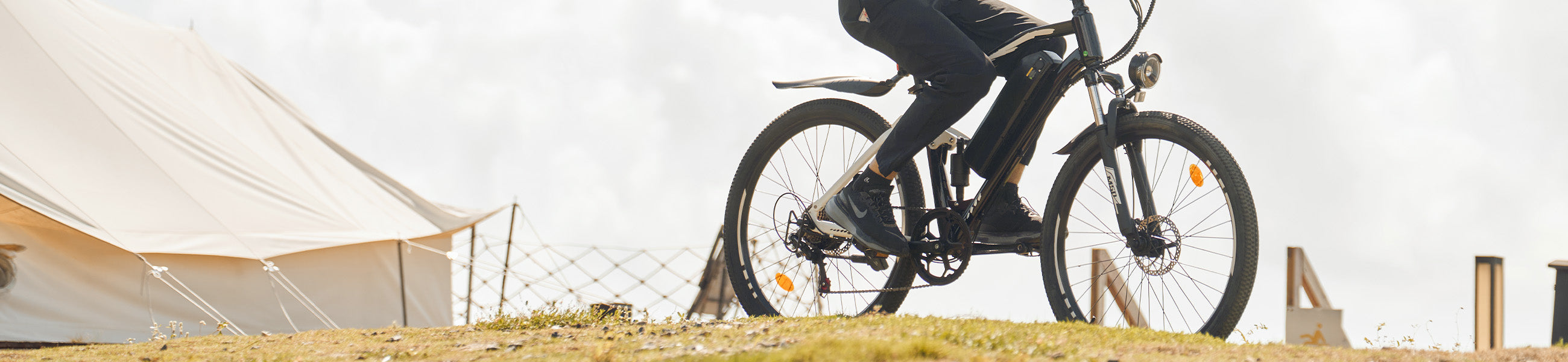
There's a shift happening on UK trails and commuter routes alike, and it isn't subtle. More riders are trading in standard bikes and in some cases, cars, for something that can handle a muddy bridleway on Saturday and a rainy commute on Monday.
If you've started looking into the best electric mountain bike UK shoppers are actually buying, you've probably noticed the category has grown far beyond niche off-roading gear. It's become a genuinely practical way to get around, whether your idea of a good ride is a canal towpath or a proper climb through the Peaks.
This article looks at why that shift is happening, what riders in the UK are asking before they buy, and how to keep an e-MTB running well through everything British weather can throw at it.
From Commuting to Weekend Adventures: How Riders Use Electric MTBs
Ask ten e-MTB owners why they bought one, and you'll get ten slightly different answers but a pattern shows up fast. Nobody wants a bike that only does one job anymore.
Weekday Commuting: Where the Motor Earns Its Keep
During the week, an electric mountain bike for adults juggling a commute and a gym membership they never use is basically a two-in-one solution. Pedal assist flattens out the hills that would otherwise leave you sweaty before a 9am meeting, and knobby tyres shrug off potholes and broken tarmac that would rattle a road bike apart.
Weekend Riding: The Same Bike, A Different Job
Then on the weekend, the same bike switches roles entirely, heading out onto forest trails, gravel tracks, or coastal paths where a hybrid bike would struggle.
One Bike, Two Jobs: Why Riders Are Choosing Versatility
That dual-purpose appeal is a big part of why demand for mountain e-bikes UK wide has climbed so steadily. Riders aren't necessarily choosing between a commuter bike and a trail bike anymore. They're choosing one bike that can reasonably do both, and that changes the buying conversation from "which type do I need" to "which model actually fits my week."
Best Electric Mountain Bike UK Buyers Ask About Most
When people are comparing options, a handful of questions come up again and again and they're worth answering honestly rather than glossing over.
How much power do I actually need?
Most riders overestimate this. A motor with a 250W rated output and a higher peak figure for hill starts is plenty for the vast majority of UK trails and commutes. The iScooter M10, for example, runs a 250W motor that peaks at 500W, enough to handle steep sections without feeling like overkill for daily use.
Hardtail or full suspension?
If you're mostly riding smoother trails or mixed-use paths, a hardtail (front suspension only) tends to be lighter and more efficient. Full suspension earns its keep on rougher, technical terrain where rear-wheel traction and comfort matter more than outright efficiency.
Is it actually legal to ride on the road?
This trips people up more than almost anything else. UK regulations for what's called an EAPC (Electrically Assisted Pedal Cycle) cap continuous rated power at 250W and motor assistance at 15.5mph, beyond that speed, you're pedalling under your own steam.
Bikes that meet this spec are treated like ordinary bicycles: no registration, no insurance requirement, no age restriction for use on public roads. It's worth checking that any model you're considering is configured to these limits out of the box, rather than assuming it complies.
What Community Riders Say About Comfort and Confidence
Specs only tell part of the story. Ask actual owners what changed once they switched to electric assistance, and comfort comes up more than speed does.
Confidence on Hills
Riders consistently mention feeling less intimidated by hills they used to avoid, which matters more than it sounds, a lot of people quietly stop riding altogether once a route feels too demanding. Pedal assist removes that barrier without removing the exercise; you're still pedalling, just with a buffer against the parts that used to put people off.
Fit and Accessibility
This is also where the case for a women's electric mountain bike UK market has grown louder. Step-through frames, adjustable riding modes, and lighter overall builds have made e-MTBs genuinely more accessible to riders who found traditional mountain bike frames awkward or overly aggressive in geometry. It's less about a separate category of bike and more about fit, a bike that suits a wider range of heights, strengths, and riding confidence levels.
Everyday Practicality: Battery Removal and Charging
Battery removal is another small detail that gets mentioned often. A bike with an easily detachable battery pack means charging indoors overnight instead of hauling the whole frame near a plug socket, which matters more once you're actually living with the bike day to day rather than just test-riding it.
Maintaining Your Electric Mountain Bike Through UK Seasons
British weather is not gentle on bikes, electric or otherwise, and a bit of seasonal care goes a long way toward protecting your investment.
-
After wet rides: Wipe down the frame and drivetrain rather than leaving mud to dry and cake on. A waterproof (IP65-rated or similar) battery housing helps, but it's not an excuse to skip drying off exposed components.
-
Winter storage: Keep the battery somewhere temperate rather than a freezing shed or garage. Lithium batteries lose efficiency in the cold, and charging a genuinely cold battery can shorten its lifespan over time.
-
Tyre pressure: Check it more often in colder months, since pressure drops as temperatures fall. Under-inflated tyres on wet trails are a fast way to lose traction exactly when you need it most.
-
Chain and drivetrain: Lube after wet rides, not before, you want lubricant on a clean chain, not one that's about to grind grit into the links.
None of this is complicated, but skipping it is usually how riders end up with a lightweight electric mountain bike UK commuters loved for six months and then complained about for the next six.
Where iScooter Sees the E-Bike Category Heading
The direction of travel is toward bikes that don't force riders to compromise between practicality and capability. That's the thinking behind models like the M50 electric mountain bike, built for both weekday commuting and weekend trail use, rather than optimising heavily for one at the expense of the other.
Expect to see more of that blending as the category matures: better battery efficiency, lighter frames without sacrificing durability, and riding modes that adapt more intelligently to terrain. For UK riders specifically, compliance with EAPC limits will likely stay front and centre, since it's what keeps these bikes accessible without licensing or insurance hurdles.
FAQs
Can beginners handle a full-suspension electric mountain bike straight away?
Yes, generally. Full suspension actually tends to be more forgiving for newer riders, since it absorbs impacts and smooths out rough terrain rather than transmitting every bump through the frame. The main adjustment is getting used to the extra weight compared to a hardtail, which most riders pick up within a few outings.
Are electric mountain bikes allowed on the same trails as regular MTBs?
It depends on the trail, not the bike category as a whole. Public bridleways and many private trail centres in the UK do allow EAPC-compliant e-MTBs, but some private land, national trust sites, or specific trail networks restrict motorised assistance regardless of power output. Always check local signage or the trail operator's rules before heading out, since access varies more than most riders expect.
What local riding groups exist for UK e-MTB owners?
More than you'd think. Many regional mountain biking clubs now welcome e-MTB riders alongside traditional MTB members, and dedicated e-bike groups have grown on platforms like Strava and Facebook, organised by county or trail centre. Bike shops and trail centres are often the fastest way to find one nearby, since they tend to know which local groups are active and beginner-friendly.
Share:
Buying Your Child's First Electric Scooter: A UK Parent's Safety Checklist
Where You're Legally Allowed to Ride an Off-Road Electric Scooter in the UK